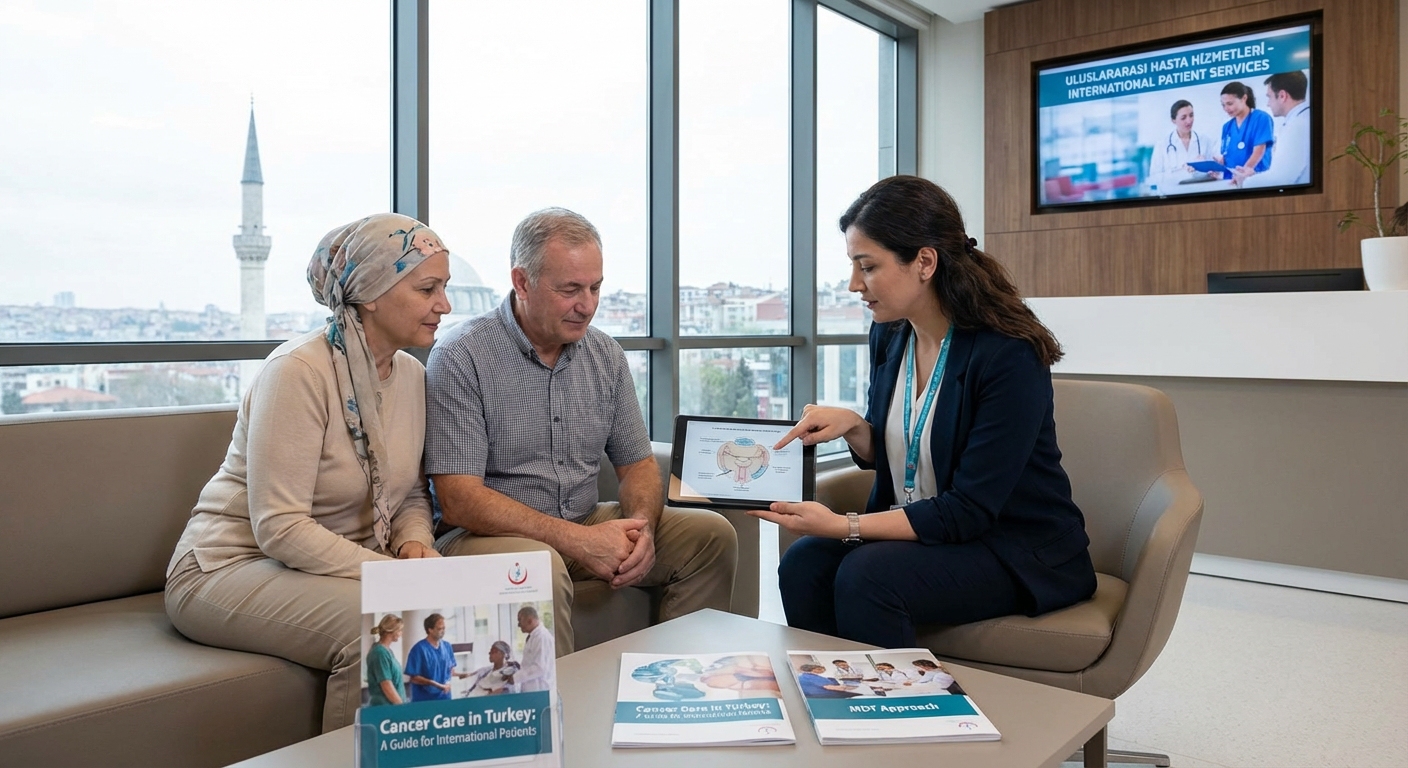
Introduction to Cancer Care for International Patients
Seeking medical treatment for cancer in a different country is a significant decision that requires thorough research and clear information. This article serves as a neutral educational guide to the landscape of cancer treatment and care available in Turkey for international patients and their families. The purpose is not to recommend or promote, but to provide a foundational understanding of the services, structures, and approaches that a patient might encounter. The information presented here is intended for general knowledge and should not be used as a substitute for professional medical consultation.
The Structure of Oncology Care in Turkey
Turkey’s healthcare system includes a combination of public university hospitals and private medical centers. Many facilities, particularly in the private sector, have developed infrastructure and services specifically to accommodate international patients. These centers often have dedicated international patient departments staffed with multilingual personnel to assist with logistical and communication needs, helping to bridge the gap between the patient’s home country and the treating institution.
Quality and standards are important considerations in healthcare. Patients may find that many Turkish hospitals are accredited by international bodies, such as the Joint Commission International (JCI), which signifies adherence to a global standard of patient care and organizational management. This accreditation is a factor that many institutions highlight as part of their commitment to quality assurance.
The Multidisciplinary Team (MDT) Approach
Modern cancer care is characterized by a collaborative, multidisciplinary team approach, which is a standard practice in many leading Turkish medical centers. This patient-centric model ensures that each case is reviewed by a group of specialists from different fields, who work together to formulate a comprehensive and personalized treatment plan.
A typical multidisciplinary tumor board may include:
- Medical Oncologists: Specialists who manage and administer treatments like chemotherapy, immunotherapy, and targeted therapy.
- Radiation Oncologists: Experts who plan and deliver radiation therapy.
- Surgical Oncologists: Surgeons with specialized training in removing cancerous tumors.
- Pathologists: Doctors who analyze tissue samples to diagnose cancer and determine its specific characteristics.
- Radiologists: Specialists who interpret medical images (such as CT, MRI, and PET scans) to diagnose, stage, and monitor cancer.
- Nuclear Medicine Specialists: Experts who use radioactive substances to diagnose and treat diseases, including overseeing PET-CT scans.
This collective expertise ensures that all viable treatment avenues are considered, providing a balanced and well-coordinated care strategy for the patient.
Key Treatment Modalities in Oncology
Turkish oncology centers are equipped to provide a comprehensive range of cancer treatments, utilizing established and contemporary medical technologies. The choice of treatment depends on the type of cancer, its stage, and the patient’s overall health.
Medical Oncology
This field involves the use of systemic drugs to treat cancer. Key therapies include:
- Chemotherapy: The use of powerful drugs to kill fast-growing cancer cells.
- Immunotherapy: A treatment that harnesses the patient’s own immune system to identify and fight cancer cells.
- Targeted Therapy: The use of drugs that target specific molecules involved in the growth and spread of cancer cells, often resulting in fewer side effects than traditional chemotherapy.
- Hormone Therapy: A treatment used for cancers that are sensitive to hormones, such as certain types of breast and prostate cancer.
Radiation Oncology
Radiation therapy uses high-energy rays to destroy cancer cells. Advanced technologies allow for precise targeting of tumors while minimizing damage to surrounding healthy tissue.
- External Beam Radiation Therapy (EBRT): The most common type, where a machine directs radiation at the cancer from outside the body. Technologies like IMRT (Intensity-Modulated Radiation Therapy) and IGRT (Image-Guided Radiation Therapy) enhance precision.
- Stereotactic Radiosurgery (SRS) and Stereotactic Body Radiation Therapy (SBRT): These techniques deliver very high doses of radiation to small, well-defined tumors, often in just a few sessions.
- Brachytherapy: A procedure where a source of radiation is placed inside or next to the area requiring treatment.
Surgical Oncology
Surgery remains a cornerstone of treatment for many types of cancer. The goal is to remove the tumor and some surrounding healthy tissue. Many centers in Turkey have expertise in advanced surgical techniques:
- Minimally Invasive Surgery: Procedures like laparoscopy and thoracoscopy use small incisions, which can lead to faster recovery times compared to traditional open surgery.
- Robotic Surgery: Robot-assisted systems provide surgeons with enhanced precision, flexibility, and control during complex procedures.
Advanced Diagnostics and Technological Infrastructure
Accurate diagnosis and staging are critical for effective cancer treatment. Oncology centers in Turkey are generally equipped with advanced diagnostic imaging technology that meets international standards.
- PET-CT (Positron Emission Tomography-Computed Tomography): This powerful imaging tool provides detailed information about both the structure and metabolic function of cells and tissues in the body. It is essential for accurately staging cancer, planning treatment, and evaluating its effectiveness.
- MRI (Magnetic Resonance Imaging): High-field strength MRI machines are used to create detailed images of organs and soft tissues, which is crucial for diagnosing and monitoring cancers in the brain, musculoskeletal system, and other parts of the body.
- Digital Mammography and Tomosynthesis: These are key technologies for the early detection and diagnosis of breast cancer.
The presence of this technology allows clinical teams to gain a precise understanding of a patient’s disease, which is fundamental to creating an effective, personalized treatment plan.
Supportive Care and Patient Well-being
Comprehensive cancer care extends beyond primary treatment. Supportive care services are an integral part of the patient journey, aimed at managing symptoms, reducing side effects, and improving quality of life. Many Turkish hospitals offer a range of these services, including:
- Pain Management: Specialized care to control and alleviate pain associated with cancer or its treatment.
- Nutritional Support: Guidance from dietitians to help patients maintain strength and manage dietary challenges during treatment.
- Psychological Support: Counseling and therapy services to help patients and their families cope with the emotional and psychological stress of a cancer diagnosis.
- Physical Rehabilitation: Physical and occupational therapy to help patients regain strength and function.
- Long-Term Follow-Up: Structured plans for monitoring health and survivorship after returning home.
These services address the holistic needs of the patient, ensuring their well-being is prioritized throughout the treatment process.
Frequently Asked Questions (FAQ)
1. What is a multidisciplinary tumor board?
A multidisciplinary tumor board is a meeting where a group of healthcare professionals with different specialties convene to discuss individual cancer patient cases. This collaborative review includes medical oncologists, surgeons, radiologists, pathologists, and other experts. Their goal is to jointly develop the most effective and personalized treatment plan by considering all aspects of a patient’s diagnosis and health.
2. How is a cancer treatment plan personalized?
Treatment plans are personalized based on several key factors. These include the specific type and stage of the cancer, its genetic makeup (molecular profile), the patient’s age and overall health, and any co-existing medical conditions. Specialists use this information to select the most appropriate therapies, such as choosing a targeted drug that acts on a specific mutation in the tumor cells or adjusting radiation dosage based on tumor size and location.
3. What is the difference between chemotherapy and immunotherapy?
Chemotherapy uses powerful drugs to directly kill rapidly dividing cells, which is a characteristic of cancer cells. However, it can also affect other fast-growing healthy cells, leading to side effects. Immunotherapy, on the other hand, is a type of treatment that stimulates the patient’s own immune system to recognize and destroy cancer cells more effectively. It works indirectly by empowering the body’s natural defenses.
4. What role does a radiation oncologist play in cancer treatment?
A radiation oncologist is a specialized doctor who uses radiation to treat cancer. Their role involves several steps: they first determine if radiation therapy is an appropriate treatment for a patient. If so, they then design a detailed treatment plan, which includes specifying the type of radiation, the exact dose, and the schedule of treatments. They oversee the delivery of each session and manage any side effects the patient may experience.
5. Are advanced diagnostic tools like PET-CT commonly available in major Turkish hospitals?
Yes, advanced diagnostic imaging tools such as PET-CT scanners, high-field MRI machines, and digital mammography are standard equipment in many major university and private hospitals across Turkey, particularly those that have departments dedicated to oncology and international patients. These technologies are essential for accurate diagnosis, staging, and monitoring treatment response.
6. What kind of supportive care is typically offered alongside primary cancer treatment?
Supportive care is a crucial component of modern oncology and is widely available. It typically includes services aimed at managing the patient’s quality of life. This can involve pain management specialists to control discomfort, dietitians to provide nutritional counseling, and psychologists or counselors to offer emotional and mental health support to both patients and their families. Physical rehabilitation services may also be offered to help patients maintain strength and mobility.